The "cougar" archetype—referring to an older woman pursuing or in a relationship with a younger man—has evolved from a derogatory late-90s slang term into a prominent, multi-billion dollar entertainment genre. In 2026, the adult entertainment market is projected to reach approximately $124.41 billion, with the "cougar" and "MILF" categories remaining among the most popular and rapidly growing segments. Evolution of the "Cougar" Archetype
In recent years, the way we consume entertainment has undergone a significant transformation. With the rise of streaming services, social media, and online platforms, the traditional one-size-fits-all approach to entertainment has given way to a more personalized and interactive experience. One term that has emerged to describe this shift is "My Own Cougar" entertainment, a concept that refers to the creation and consumption of customized, user-centric content that blurs the lines between traditional media and personal experience.
As we continue to explore and express our desires, it's likely that cougar entertainment will remain a staple of popular media. Whether you're a fan of the cougar lifestyle or simply curious about this cultural phenomenon, one thing is certain: the cougar is here to stay.
In comparing popular media tropes to my own entertainment content, I’ve noticed a few key differences:
. Originally marketed as a show about an older woman dating younger men, it famously pivoted to a wine-fueled celebration of friendship and suburban life. The Cougar (Reality Series)
The term "cougar" is believed to have originated in Western Canada, possibly appearing as early as 1999 on dating sites like CougarDate.com. Before the word became mainstream, cinema and television frequently explored the underlying dynamic through various tropes: The Graduate
Watching popular media try to portray "cougar entertainment" is hilarious. They think it’s all leopard print and desperation. 🙄
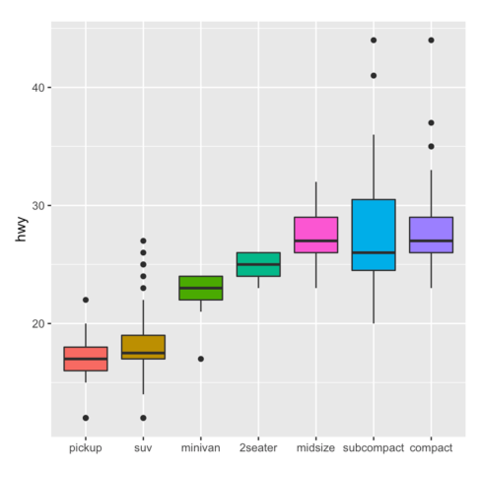
geom
ggplot2 builds charts through layers using
geom_ functions. Here is a list of the different
available geoms. Click one to see an example using it.
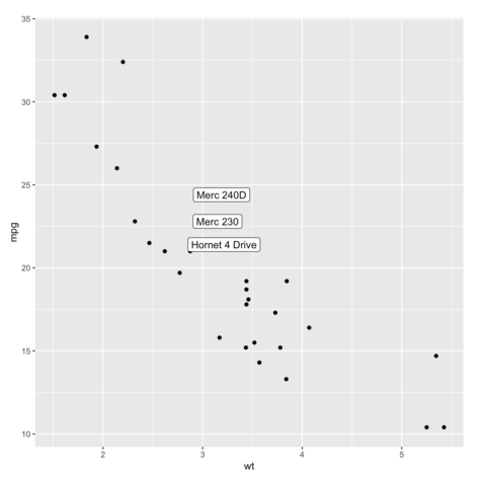
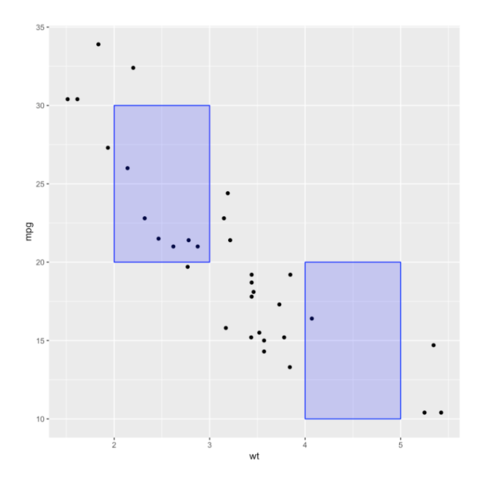
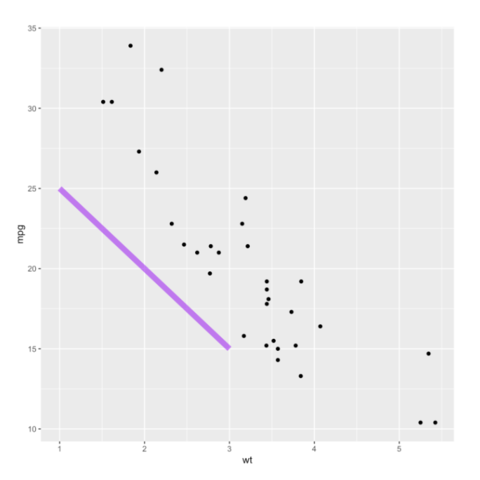
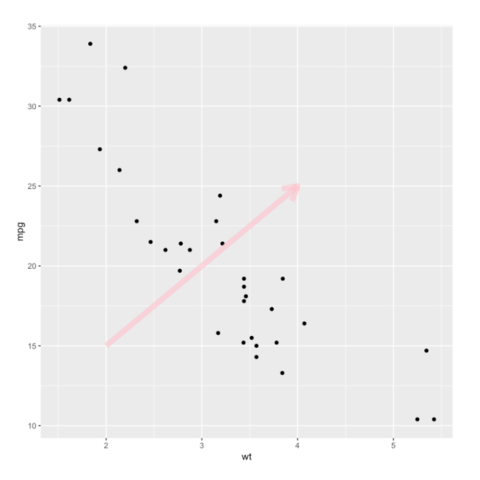
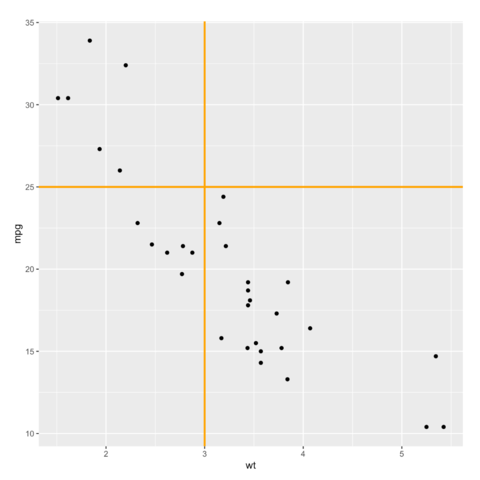
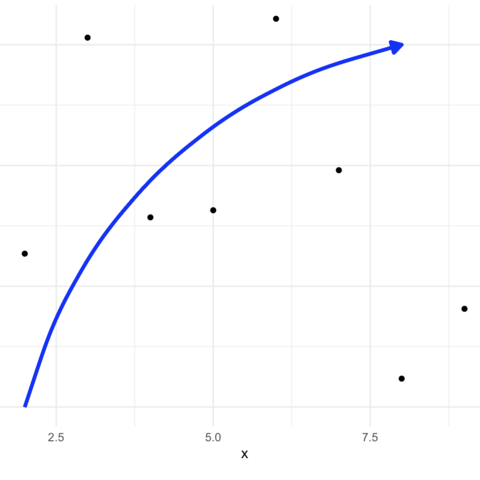
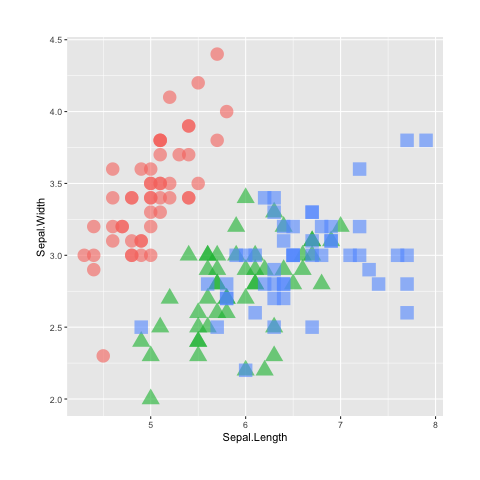
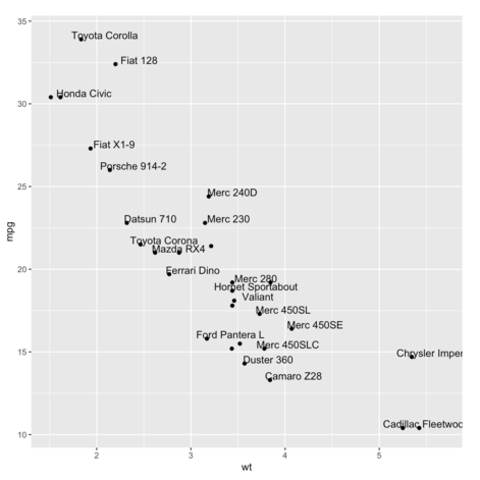
Annotation is a
key step
in data visualization. It allows to highlight the main message of the
chart, turning a messy figure in an insightful medium.
ggplot2 offers many function for this purpose, allowing
to add all sorts of text and shapes.
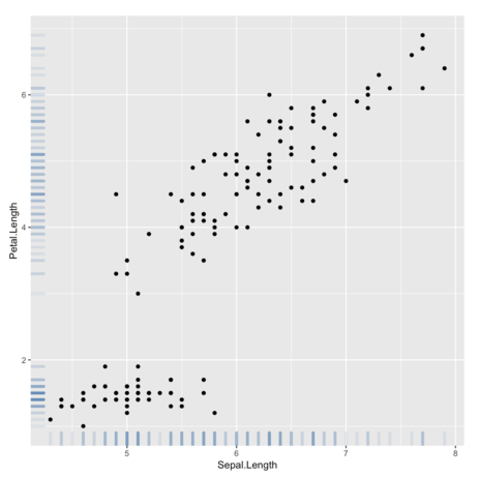
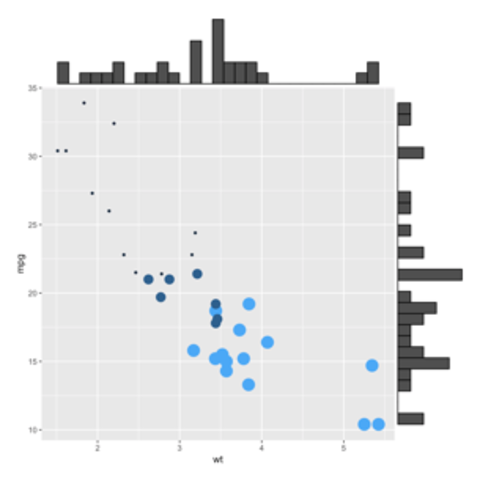
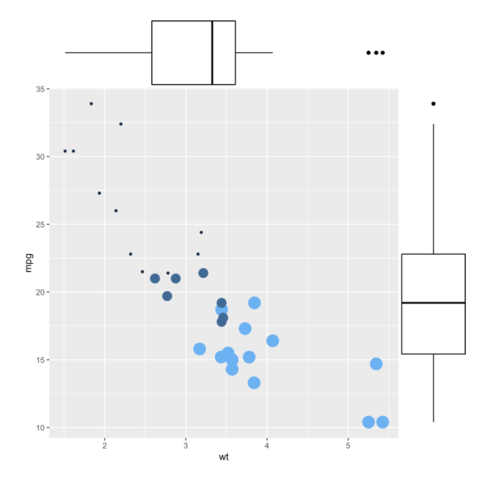
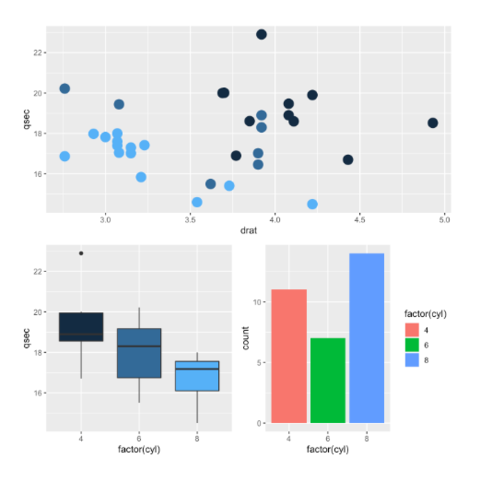
Marginal plots are not natively supported by ggplot2, but
their realisation is straightforward thanks to the
ggExtra library as illustrated in
graph #277.
ggplot2 chart appearance
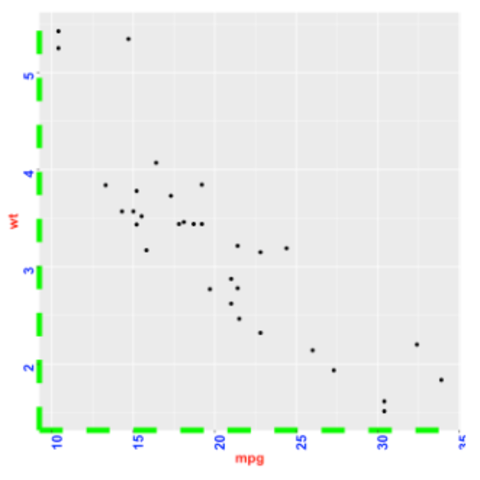
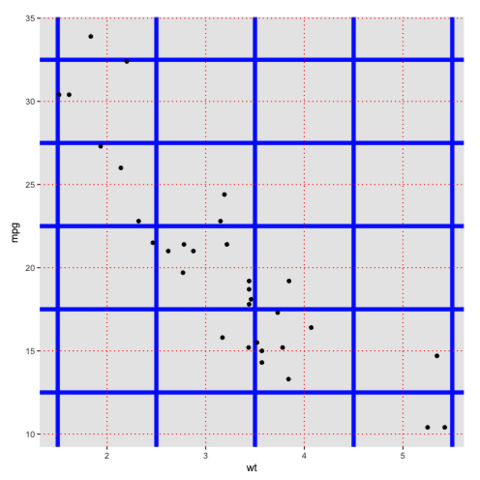
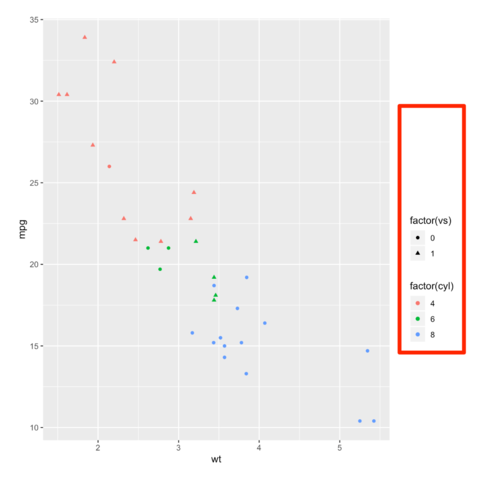
The theme() function of ggplot2 allows to
customize the chart appearance. It controls 3 main types of
components:
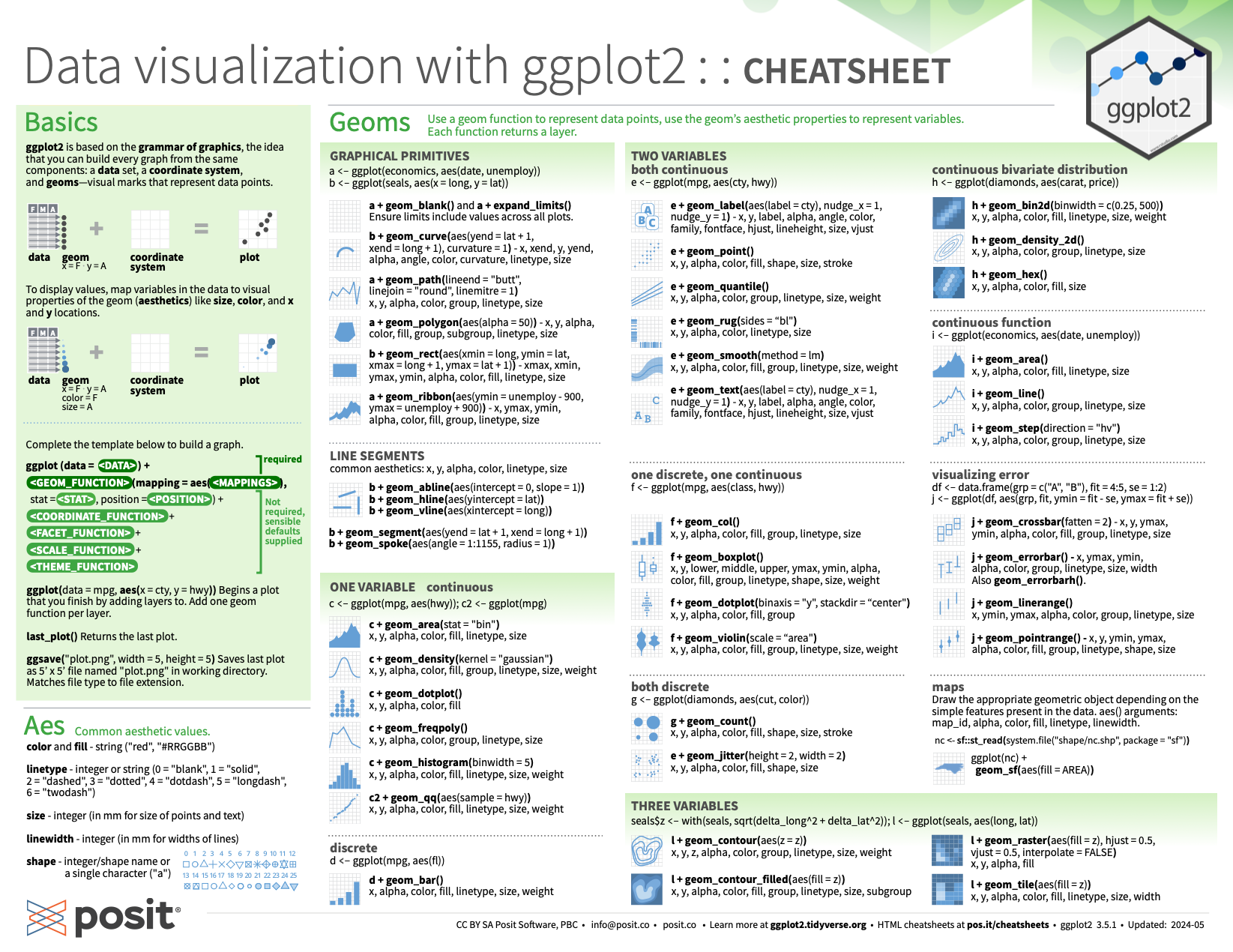
Here’s the official ggplot2 cheatsheet created by Posit. It covers all the key concepts of the library.
I've also compiled it with the most useful R and data visualization cheatsheets into a single PDF you can download:
ggplot2
A cheatsheet for quickly recalling the key functions and arguments of the ggplot2 library.
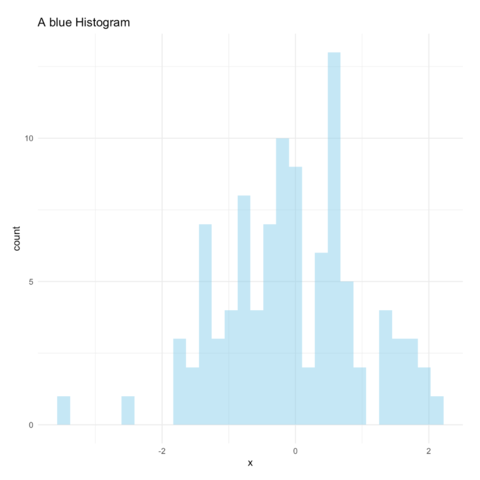
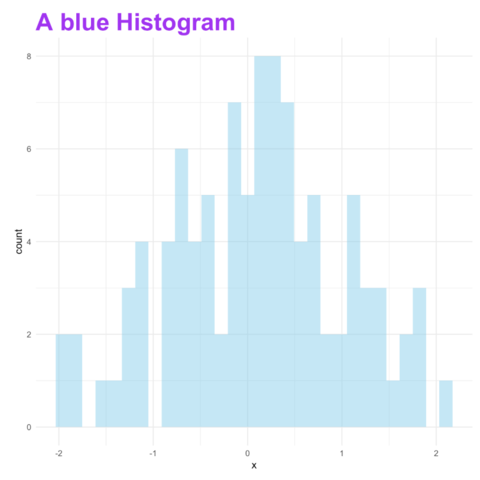
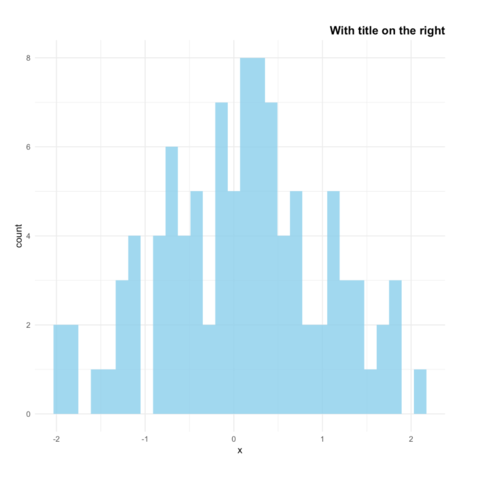
ggplot2 title
The ggtitle() function allows to add a title to the
chart. The following post will guide you through its usage, showing
how to control title main features: position, font, color, text and
more.
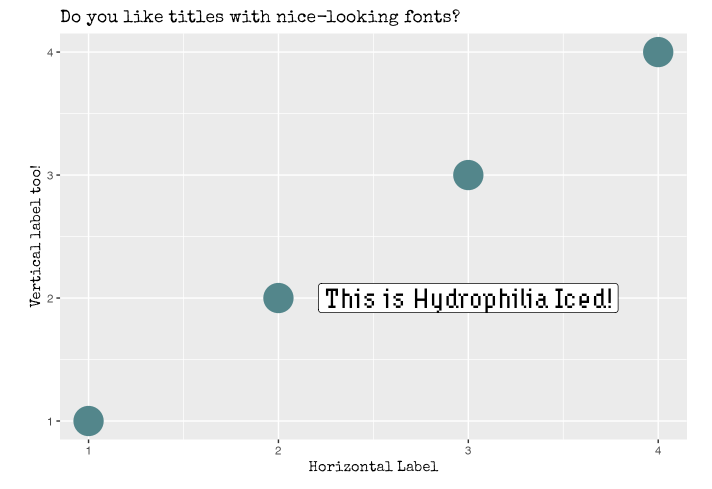
ggplot2
If you don't want your plot to look like any others, you'll definitely
be interested in using custom fonts for your title and labels! This is
totally possible thanks to 2 main packages: ragg and
showtext. The
blog-post below
should help you using any font in minutes.
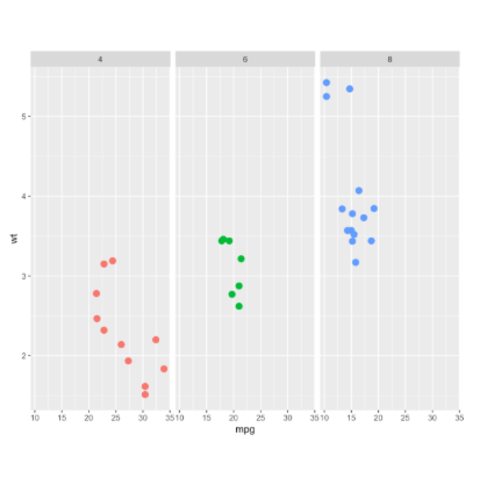
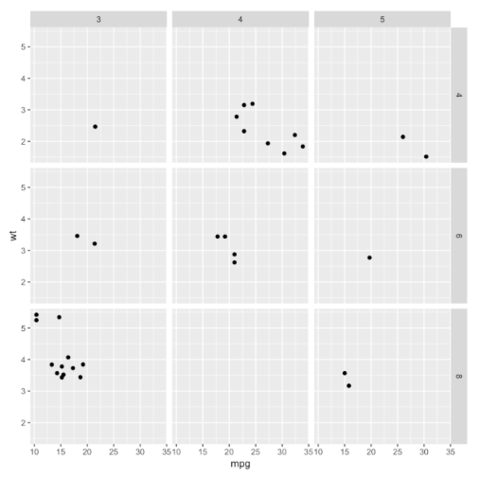
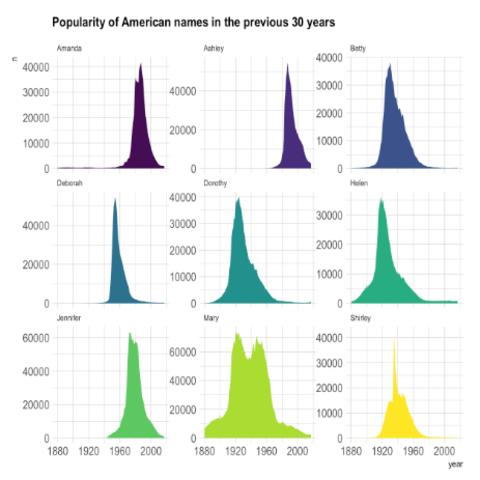
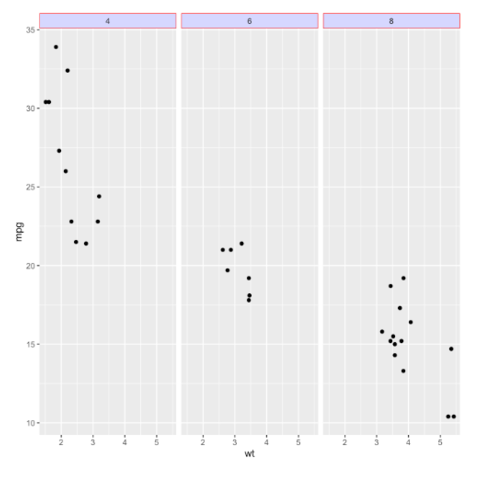
facet_wrap() and
facet_grid()
Small multiples is a very powerful dataviz technique. It split the
chart window in many small similar charts: each represents a specific
group of a categorical variable. The following post describes the main
use cases using facet_wrap() and
facet_grid() and should get you started quickly.
It is possible to customize any part of a ggplot2 chart
thanks to the theme() function. Fortunately, heaps of
pre-built themes are available, allowing to get a good style with one
more line of code only. Here is a glimpse of the available themes.
See code
The "cougar" archetype—referring to an older woman pursuing or in a relationship with a younger man—has evolved from a derogatory late-90s slang term into a prominent, multi-billion dollar entertainment genre. In 2026, the adult entertainment market is projected to reach approximately $124.41 billion, with the "cougar" and "MILF" categories remaining among the most popular and rapidly growing segments. Evolution of the "Cougar" Archetype
In recent years, the way we consume entertainment has undergone a significant transformation. With the rise of streaming services, social media, and online platforms, the traditional one-size-fits-all approach to entertainment has given way to a more personalized and interactive experience. One term that has emerged to describe this shift is "My Own Cougar" entertainment, a concept that refers to the creation and consumption of customized, user-centric content that blurs the lines between traditional media and personal experience.
As we continue to explore and express our desires, it's likely that cougar entertainment will remain a staple of popular media. Whether you're a fan of the cougar lifestyle or simply curious about this cultural phenomenon, one thing is certain: the cougar is here to stay.
In comparing popular media tropes to my own entertainment content, I’ve noticed a few key differences:
. Originally marketed as a show about an older woman dating younger men, it famously pivoted to a wine-fueled celebration of friendship and suburban life. The Cougar (Reality Series)
The term "cougar" is believed to have originated in Western Canada, possibly appearing as early as 1999 on dating sites like CougarDate.com. Before the word became mainstream, cinema and television frequently explored the underlying dynamic through various tropes: The Graduate
Watching popular media try to portray "cougar entertainment" is hilarious. They think it’s all leopard print and desperation. 🙄